There’s something about caffeine that makes you feel like a grown-up, even when you already are.
Everyone has their drink, their routine, their thing. Maybe it’s that too-hot sip that burns your tongue or that desperate cup you cling to while pulling an all-nighter.
My own caffeine story started at RM5 per hour.
From 17 to 19, I was a barista juggling A-levels, weekend rush hours, and the kind of exhaustion only a 5 a.m. opening shift can teach you. I lived on whatever my staff meal or beverage allowance could cover.
On any given day, that meant two lattes, three Americanos, and for days I needed something cold, a green tea ice blended (the frap would’ve given me away). When you’re working part-time, training for marathons, and trying to pass your exams, caffeine quickly becomes your best bud (yes, even those caffeine pills which I do not recommend!)
But that was also when I fell in love with coffee.
Fast forward more than a decade later, and I’m the kind of person who owns an espresso machine at home, has freshly roasted beans delivered every 25 days, and spends too much time backflushing.
But the thing is, caffeine doesn’t really keep me awake anymore. What I crave is the ritual and the comfort of holding a warm cup. It’s my me time.
And because I’ve gone from a coffee-obsessed teen to a fully grown adult who still drinks too much, here’s everything I’ve learnt – about caffeine, matcha, oolong (yes, the tea everyone is suddenly drinking), how much is too much, and when it’s time to cut yourself off.
How Much Buzz Are You Actually Getting?
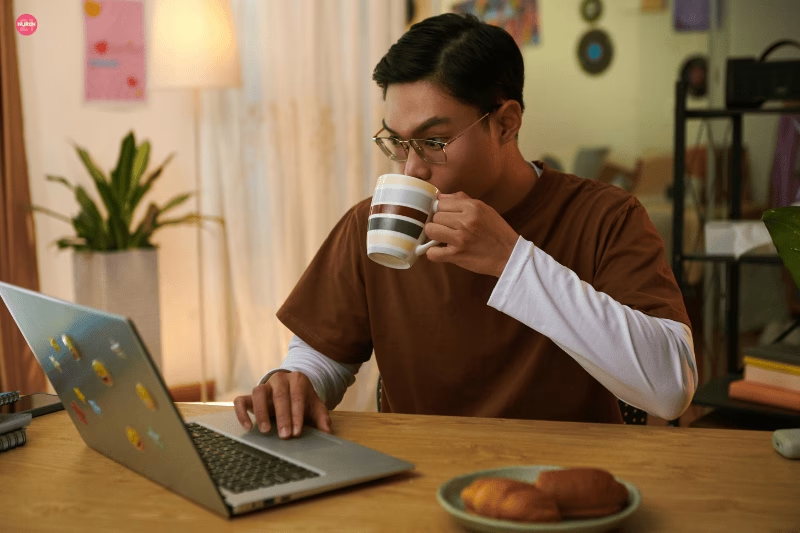
When consuming your bevvy, some may give you a kick, some give you clarity, and some give you jitters. Here is all you need to know!
Approximate caffeine amounts per serving:
- Brewed coffee (240 ml / 8 oz): approximately 95 to 150 mg
- Espresso (1 shot): approximately 60 to 80 mg
- Black tea: approximately 40 to 70 mg
- Green tea (depends on steeping time): 20 to 50 mg
- Matcha (per 1g): 25 to 30 mg
- Feels smoother thanks to L-theanine.
- Oolong tea (highly dependent on type of Oolong tea): 30 to 100 mg
- Light, fragrant, and everyone’s favourite now, plus it’s known to help with digestion and bloating.
- Energy drinks: approximately an average of 80–200 mg
Most healthy adults can safely have up to 400 mg of caffeine a day, so the above guide may help you do the math.
However, keep in mind that if you’re pregnant or breastfeeding, aim for 200 mg or less.
Everyone’s tolerance is different, and your friend might vibrate after one latte while you’re sipping your third and feeling nothing but peace.
When’s the Best Time to Drink Caffeine?
You’ll get the most benefit when you work with your body’s rhythm, not against it.
Best times:
- 9:30 a.m. to 11 a.m.: Your cortisol dips slightly, so caffeine feels smoother.
- 1 p.m. to 3 p.m.: Perfect for a midday lift.
When to avoid:
- Right after waking up: Your body already produces natural “wake-up” hormones.
- After 3 to 4 p.m.: Unless you’re a night owl.
- On an empty stomach: Especially if you’re prone to acidity.
Signs You’ve Had Too Much Caffeine
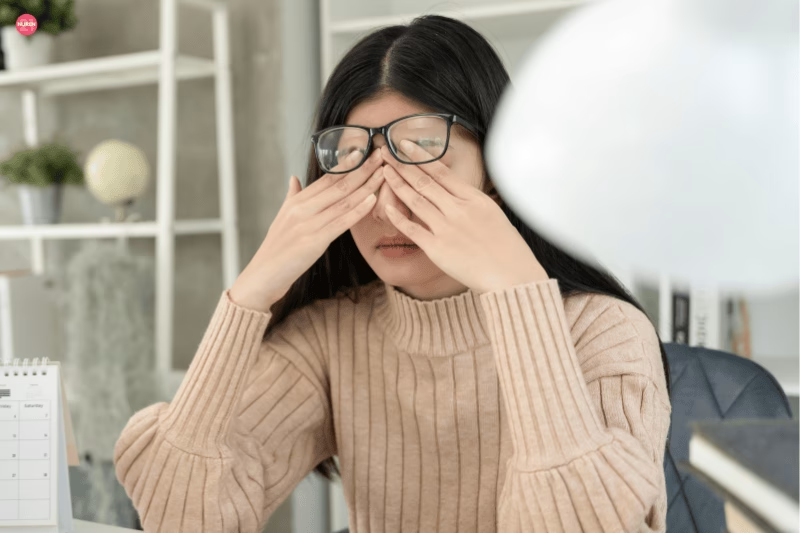
Your body will usually tell you in one too many ways. Just look out for:
- Jittery or shaky hands
- Heart racing
- Feeling anxious or restless
- Nausea or stomach discomfort
- Difficulty sleeping
- Headaches
- Sudden “energy crash” (this could look like sudden need to just lay flat and do absolutely nothing)
If any of these sound familiar, it might be time to switch to something gentler – like green tea, oolong, or even decaf.
Or just water.
So… Is Caffeine Good or Bad?
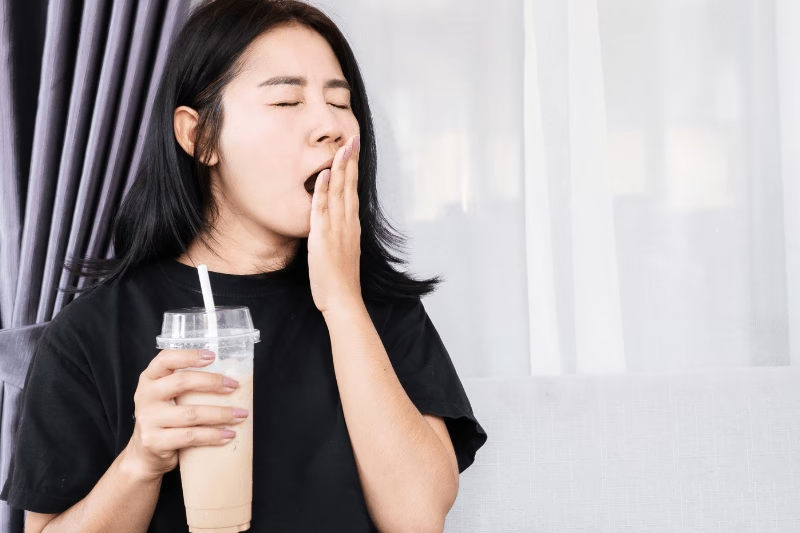
A little caffeine can be your best friend if you do it right.
Benefits include:
- Better focus
- Improved alertness
- Enhanced workout performance
- Antioxidants (especially from coffee and matcha)
But overdoing it can lead to:
- Anxiety
- Disrupted sleep
- Irregular heartbeat
- Dependency
- Stomach irritation
And at the end of the day, it’s important to understand your body and your needs.
Whether you’re a coffee connoisseur, a matcha girly, or someone discovering the wonders of oolong (seriously, try it if you haven’t), don’t forget to enjoy drinking it. Sometimes that’s the real energy boost that you need!