

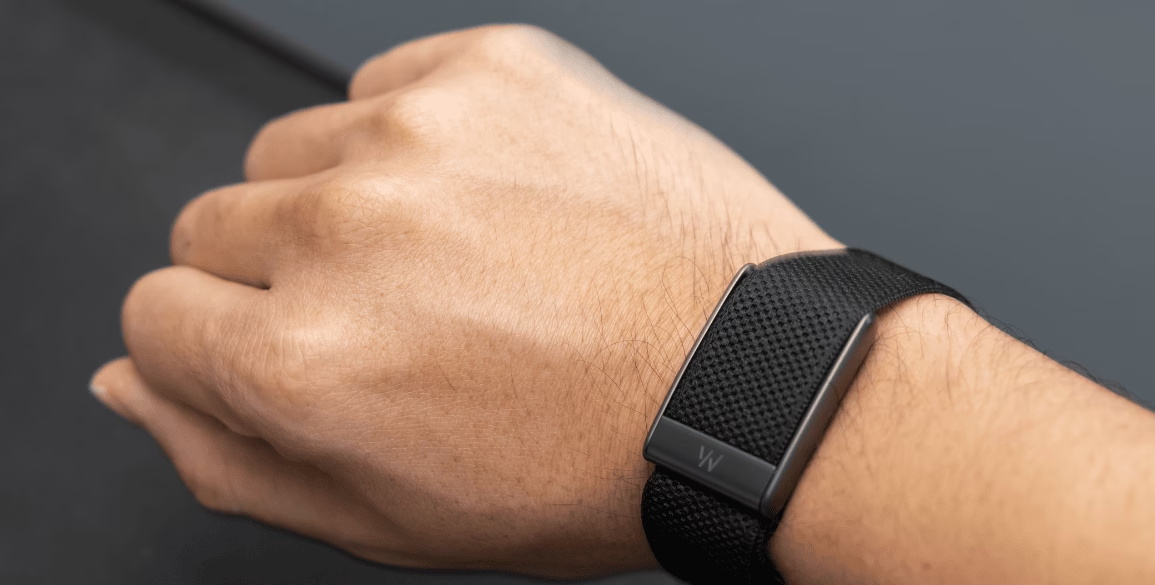

Over the weekend, I bought myself a health-tracking strap.
Why did I get it? No big reason, and maybe I got trapped by all the TikTok videos, and it seemed cool.
Everyone seems to have one now, and they strap it on, and suddenly you’re more in tune with your body. It apparently makes them more aware and more put together.
But something else happened for me.
It Starts Off Feeling Helpful
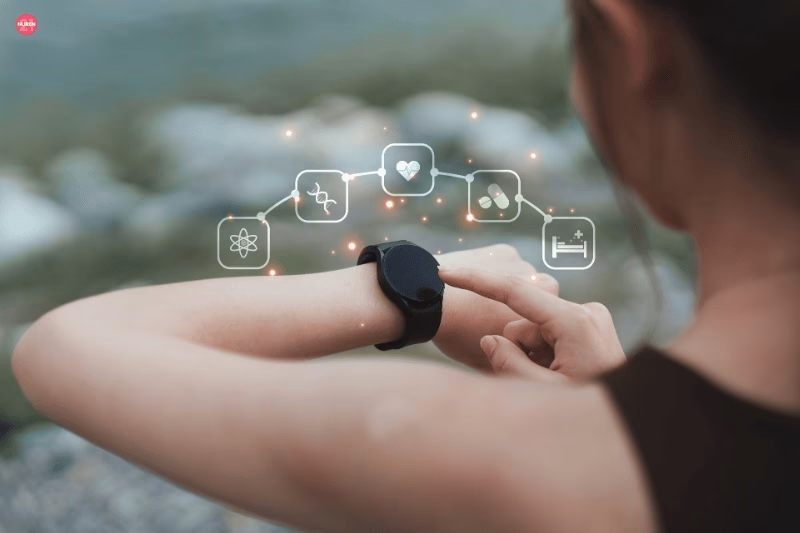
Before I explain what happened, first and foremost, research actually shows that devices like this can help people be a bit more active, even adding around a thousand more steps a day for some users.
And yes, they can give you basic insights into your rhythms and habits you might’ve never noticed otherwise.
But, suddenly, you wake up and the first thing you reach for is your tracker because it feels like you are in a 24/7 competition with yourself. P/S: This was me.
I scrolled through stress numbers, heart rate trends, sleep efficiency percentages…and suddenly I was way in too deep.
Apparently, there’s a real psychological thing that happens in our body, and experts have warned that when tracking becomes constant, it can feed anxiety.
It starts with small stuff:
- “My sleep score was ‘poor’; should I change my bed?”
- “My stress reading is high; what caused it?!”
- “My steps are under target; I’m gonna get so fat!”
Your mood literally becomes attached to these numbers.
P/S: Our Body Doesn’t Speak ‘Data’ Language
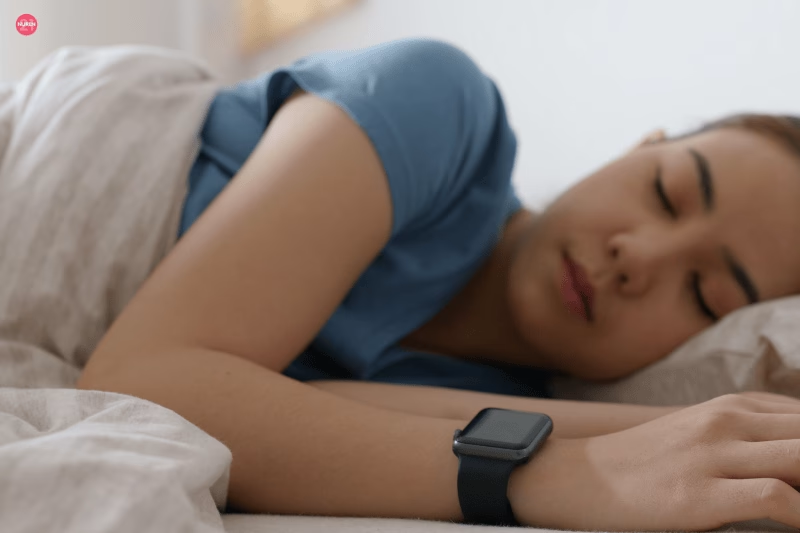
Did you know the numbers aren’t always medically accurate, especially for things like sleep stages or stress?
You can feel perfectly fine, and then that sleep score tells you otherwise, and suddenly you feel tired (which is what happened to me), even if your body wasn’t actually showing that before you checked.

There’s also this thing that makes users fall into comparison or perfectionism mode. What this means is while the tracker nudges you toward goals, it also gamifies your health.
It’s not all bad because some people find motivation here long-term. But others may feel overwhelmed after a certain period. months because it becomes overwhelming or irrelevant.
So… Are Health Trackers For You?
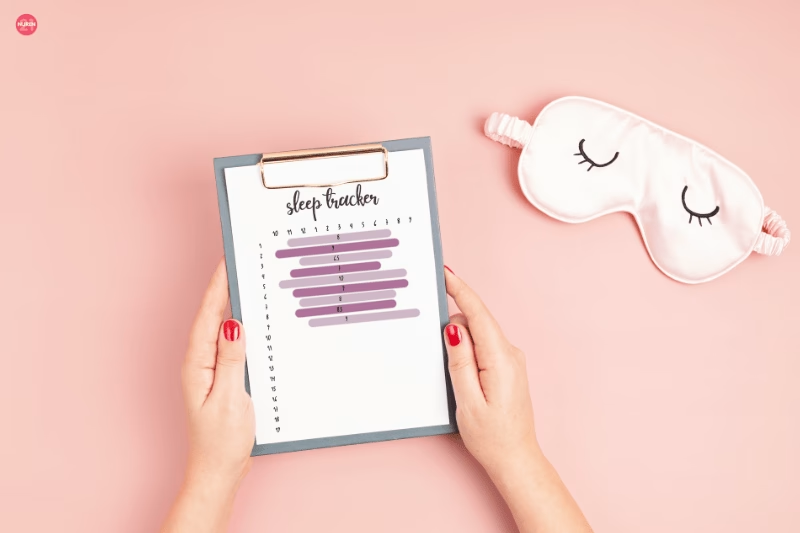
All in all, as a person who has tried it, dropped it, tried it again and drops it occasionally, health trackers can actually be helpful. But they can also:
- make you second-guess how your body actually feels
- create pressure around arbitrary goals
- replace intuition with data anxiety
If you use them mindfully as a tool, they can support your wellbeing just fine.
But if you find yourself checking stats more than checking in with how you feel, maybe it’s time to stop or go to a professional to confirm the data.