



By the third or fourth day of Ramadan, many women start feeling it.
The dry lips and the 4 p.m. headache that leads to sudden irritability when someone asks, “What’s for iftar?” for the fifth time.
Between work, cooking, self/childcare, and prayers, hydration often becomes an afterthought.
But the thing is, how you drink between iftar and sahur can completely change how you feel the next day.
Here are realistic, doable tips that make a difference.
1. Don’t “Speed-Drink” at Iftar
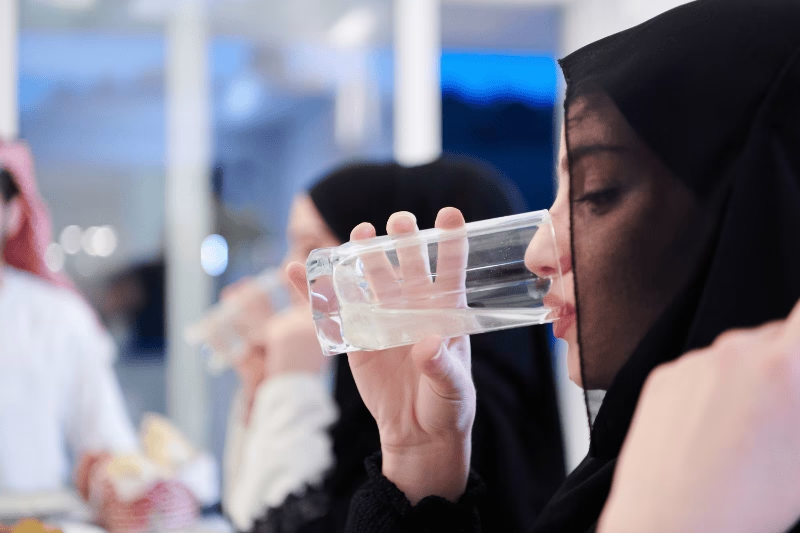
It’s tempting to gulp down three or four glasses the moment you break fast – you’re thirsty, we get it!
But your body can’t absorb all that water at once. You’ll just feel uncomfortably full and still irritated.
A better way would be:
- 1 to 2 glasses when you break fast
- Another glass after your meal
- Sip every hour until bedtime
- 1 to 2 glasses at sahur
2. Sahur Is Your Secret Weapon
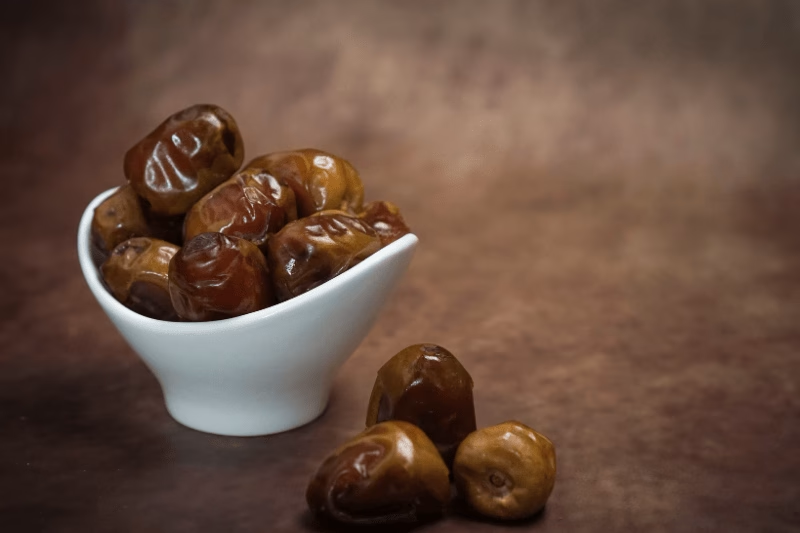
If you wake up, eat quickly and crawl back into bed without drinking enough water, you’ll be struggling come morning.
Even if you’re not very hungry, prioritise:
- At least one full glass of water before eating
- Another before fajr/subuh
- Hydrating foods like yoghurt, fruit or oats
P/S: avoid consuming too much unsoaked chia seeds, they can draw water from your body and cause dehydration.
3. Pause That Coffee Habit
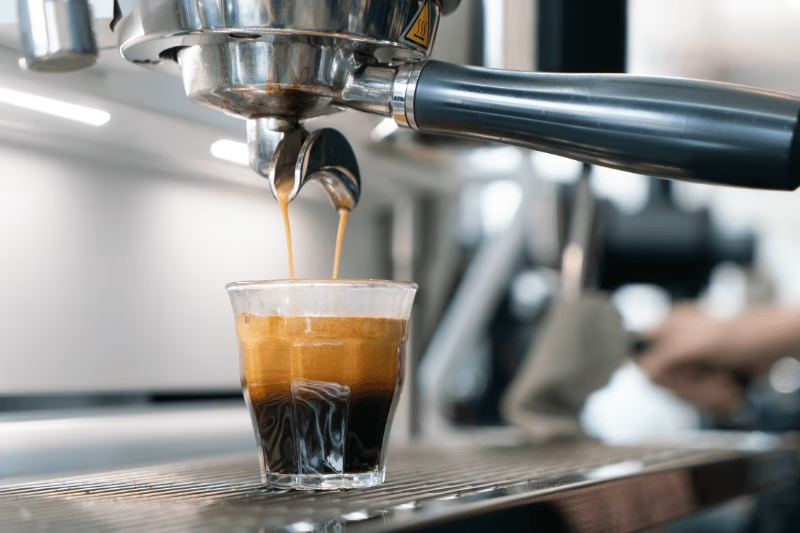
Many of us rely on coffee to function.
But caffeine can increase fluid loss, especially if taken at sahur.
However, if you really must:
- Limit it to one cup
- Have it after iftar instead of at sahur
- Pair it with water
4. Go Easy on Salty and Fried Food

After a full day of fasting, salty sambal and fried snacks taste extra satisfying.
But they’re also why you wake up parched the next morning and probably with that tummy ache.
You don’t need to avoid them entirely. Just balance them with vegetables and include extra water in your meal.

Everything in moderation is key
5. Add Natural Electrolytes
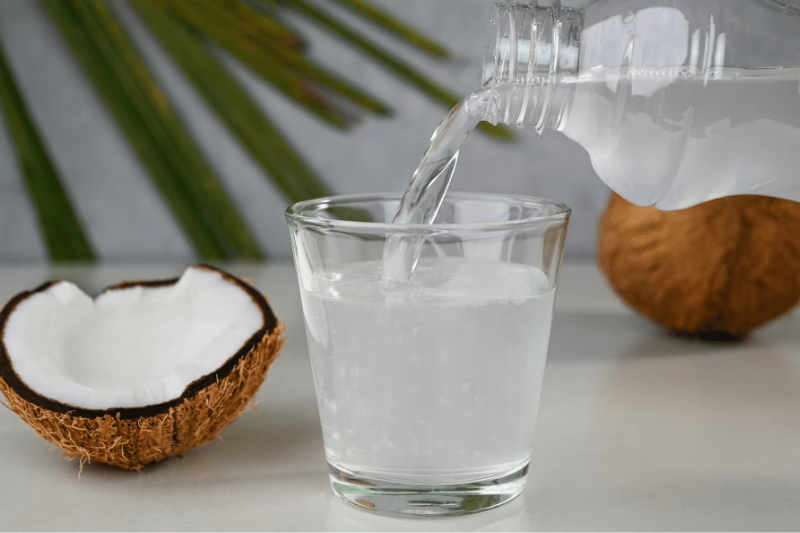
If fasting has the tendency to make you feel dizzy or unusually drained, you may need more than plain water and a bit more rest.
Try alternatives like coconut water, watermelons, or water with a squeeze of lemon + pinch of salt.
Electrolytes help your body hold onto fluids better, especially in hot weather.
Last but not least, keep in mind that Ramadan is not a productivity competition.
If you’re feeling physically depleted, reduce strenuous activity during peak heat hours.
We get it; there’s often this quiet pressure to show that we’re still operating at full speed while fasting.
Still replying instantly. Still cooking everything from scratch. Still performing at 100% like our ancestors, but it’s okay to be hungry and tired.
So if some days feel slower, softer, and less “productive” than usual, let them.
Your energy will return.
Salam Ramadan with love from all of us at Nuren 21!