


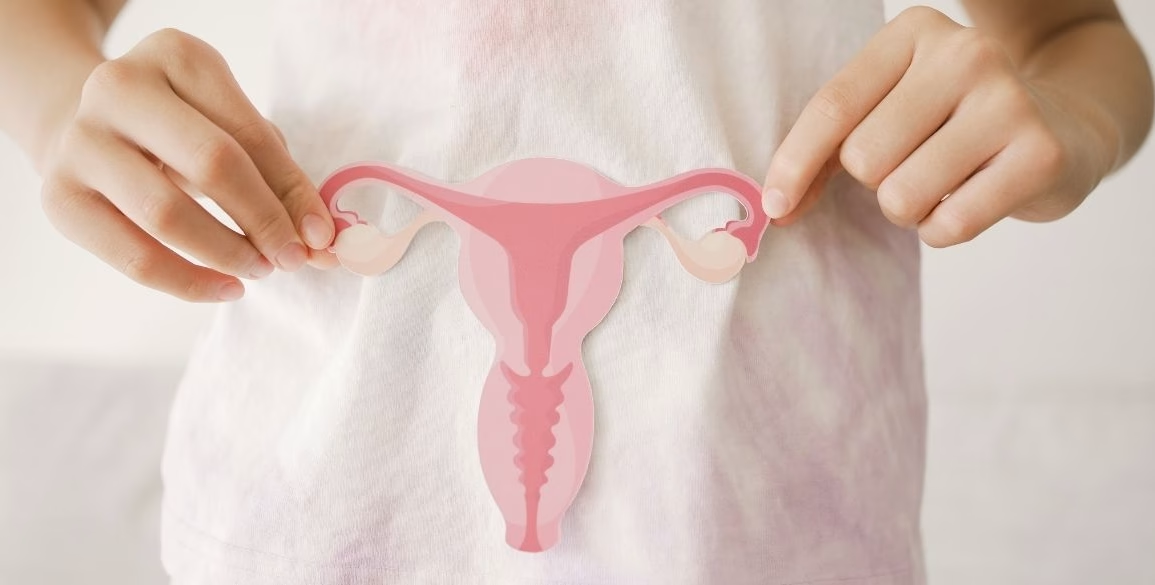

If you have ever heard of PCOS, you probably know it as something linked to irregular periods, acne, weight gain, facial hair, fertility struggles or “cysts” on the ovaries.
But recently, PCOS has been given a new name: PMOS.
PMOS stands for Polyendocrine Metabolic Ovarian Syndrome.
Yes, it sounds more complicated. But the reason behind the name change is actually quite important.
The new name helps explain what this condition really is. Because for many women, PCOS was never just about the ovaries.
First Things First: Is PMOS Different From PCOS?
No, PMOS is not a new condition.
It is the same condition that many people have known as PCOS, or Polycystic Ovary Syndrome.
So, if you have been diagnosed with PCOS before, it does not mean your diagnosis has changed. It also does not mean you suddenly have a different illness.
The condition is the same.
What has changed is the name, and the way experts want people to understand it.
Why Was PCOS Renamed PMOS?
The name PCOS has always been a little misleading.
For one, not everyone with PCOS has ovarian cysts.
Also, the “cysts” in PCOS are not always cysts in the way many people imagine. They are usually small follicles seen on the ovaries during an ultrasound.
Because of this, some women may think, “If I don’t have cysts, then I don’t have PCOS.”
But that is not always true.
PCOS can affect much more than the ovaries. It can involve hormones, metabolism, ovulation, skin, hair growth, weight and long-term health.
That is why the new name, PMOS, gives a fuller picture.
What Does PMOS Mean?
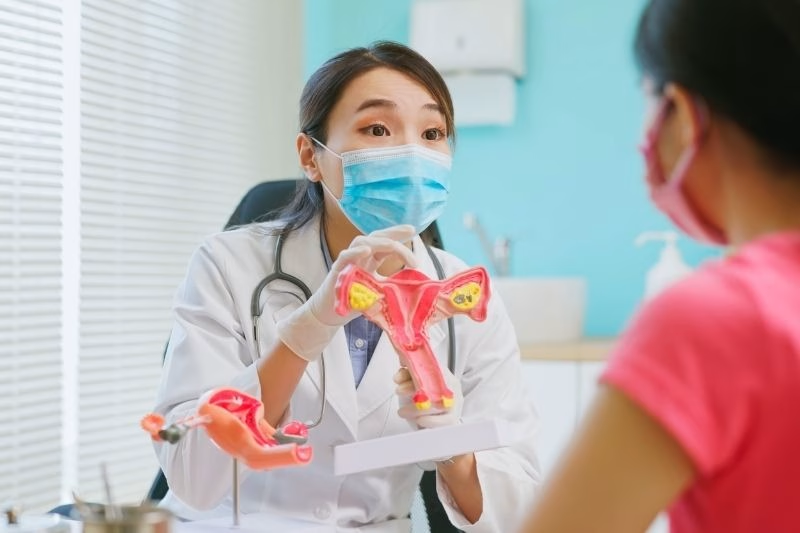
Polyendocrine means the condition can involve more than one hormone system in the body.
This matters because PMOS is closely linked to hormone imbalance. For example, some women may have higher levels of androgens, which are often called “male-type hormones”. This can lead to acne, oily skin, excess facial hair or hair thinning.
Metabolic refers to how the body uses energy, sugar and insulin.
Many women with PMOS may have insulin resistance. This means the body has a harder time using insulin properly, which can affect blood sugar levels and weight. Over time, this may also increase the risk of type 2 diabetes.
Ovarian reminds us that the ovaries can still be affected.
PMOS can cause irregular ovulation, missed periods and fertility challenges for some women.
So, in simple terms, PMOS is a hormonal and metabolic condition that can also affect the ovaries.
So why does it even matter?
Because names shape how people understand health conditions.
For years, many women were told that PCOS was mainly about periods, fertility or cysts.
But now, we know that PMOS can show up in different ways, from acne that keeps returning to weight changes that feel difficult to manage.
Some women may notice irregular periods, thinning hair or excess facial hair, while others may worry about long-term health risks linked to insulin resistance.
This is why the name change is important.
It helps explain that PMOS is not only an ovarian condition, but a wider hormonal and metabolic health issue.
The name PMOS helps move the conversation away from just “cysts” and towards the bigger picture.
It reminds us that this is not only a reproductive issue. It is also a hormone and metabolic health issue.
What Are the Common Signs of PMOS?
PMOS can look different from woman to woman.
Some common signs include:
- Irregular periods
- Missed periods
- Acne or oily skin
- Excess facial or body hair
- Hair thinning
- Weight gain or difficulty managing weight
- Difficulty getting pregnant
- Darker skin patches, especially around the neck or underarms
- Tiredness or sugar cravings linked to insulin resistance
But…not every woman will have all these symptoms.
Some may have irregular periods but no acne..
Others may have acne and excess hair growth but regular periods.
Then you have fellow women who only discover it when they try to conceive.
This is why proper medical assessment is important.
Does PMOS Affect Fertility?
PMOS can affect fertility for some women, but it does not mean every woman with PMOS cannot get pregnant.
The main issue is ovulation.
When ovulation is irregular, it may be harder to predict fertile days. This can make it more difficult to conceive.
However, many women with PMOS do go on to have healthy pregnancies, especially with the right medical support.
The important thing is not to wait too long if you are trying to conceive and your periods are irregular. Speaking to a doctor can help you understand what is happening and what options are available.
Does the Treatment Change Now That It Is Called PMOS?

Treatment still depends on your symptoms and what stage of life you are in.
For example, one woman may need help managing irregular periods. Another may want support for acne or excess hair growth. Someone else may need fertility support or screening for insulin resistance.
Doctors may recommend lifestyle changes, medication, blood tests, scans or regular follow-ups depending on the individual.
That is why it is important to get personalised advice instead of comparing your experience with someone else’s.
So, what can we do?
The change from PCOS to PMOS is not just about using a new medical term.
It is about helping women understand the condition better.
PMOS tells us that this condition can involve hormones, metabolism and the ovaries. It is not just about cysts. It is not just about fertility – or just about weight.
Most importantly, it is not something women should feel ashamed of.
If you have irregular periods, acne, excess hair growth, unexplained weight changes or trouble conceiving, speak to a doctor.
The earlier you understand what is happening in your body, the better you can manage it.
Disclaimer: The information in this article is intended for general reading and awareness only. It does not replace advice from qualified medical, legal, financial, religious or other relevant professionals. If you are facing a specific concern, please speak to the appropriate expert or authority for guidance.