




In our previous article, we spoke about what PMOS is and why it can affect different parts of the body.
But even when you understand the basics, PMOS can still feel confusing because the symptoms do not always appear at once.
For some women, it starts with irregular periods. For others, it may show up as acne that does not go away, sudden weight changes, excess facial hair, thinning hair or difficulty getting pregnant.
Because these symptoms can seem unrelated, many women only start looking for answers after months or even years of noticing changes in their body.
PMOS, also once known as PCOS, is linked to hormone imbalance and may affect the menstrual cycle, skin, hair growth, fertility and metabolism. Not every woman will experience the same signs, and having one symptom does not automatically mean you have PMOS.
In this article, we will look at some of the common PMOS symptoms to pay attention to, especially when they keep happening, appear together or start affecting your daily life.
Common PMOS Symptoms To Look Out For
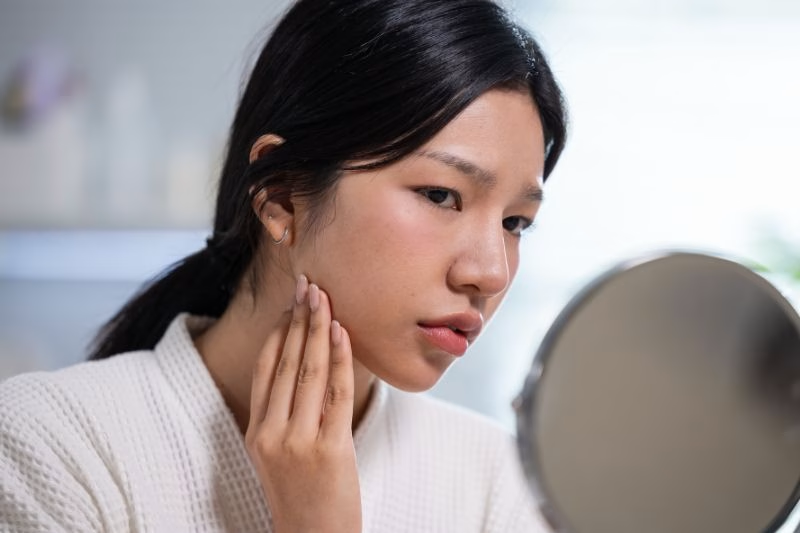
Some PMOS symptoms may be easier to notice than others. These can include:
Irregular periods, late periods or missing periods
This is one of the most common signs of PMOS. Your cycle may become unpredictable, or your period may not come every month.
Periods that happen only a few times a year
Some women with PMOS may have very few periods in a year. This can happen when ovulation does not happen regularly.
Acne that does not improve easily
PMOS-related acne may be more stubborn and may keep coming back, especially around the jawline, chin, cheeks, chest or back.
Oily skin, especially if it appears together with acne
Hormonal changes may cause the skin to produce more oil. This can lead to clogged pores and breakouts.
Excess facial or body hair
This may appear on the upper lip, chin, chest, stomach, back or thighs. The hair may become thicker, darker or more noticeable over time.
Hair thinning on the scalp or more hair fall than usual
Some women may notice a wider hair parting, thinning around the crown or more hair fall than they are used to.
Weight gain or difficulty losing weight
PMOS may affect how the body manages insulin, which can make weight changes feel harder to manage for some women.
Darker, thicker skin patches
These may appear around the neck, underarms, groin area or under the breasts. They can sometimes be linked to insulin resistance.
Skin tags in areas such as the neck or underarms
Skin tags are small, soft growths on the skin. When they appear together with other symptoms, they may be worth mentioning to a doctor.
Difficulty getting pregnant due to irregular ovulation
PMOS can affect ovulation, which may make it harder to predict fertile days or conceive naturally.
Low energy, mood changes, anxiety or low mood
PMOS can affect more than just the body. Hormonal changes, irregular cycles and the stress of dealing with symptoms may affect how you feel day to day.
These symptoms can feel frustrating, especially when they affect your confidence or daily routine. They may also be easy to dismiss at first because they can happen for many different reasons.
However, when several of these symptoms appear together, or when they continue over time, it is worth getting checked.
Disclaimer: The information in this article is intended for general reading and awareness only. It does not replace advice from qualified medical, legal, financial, religious or other relevant professionals. If you are facing a specific concern, please speak to the appropriate expert or authority for guidance.