


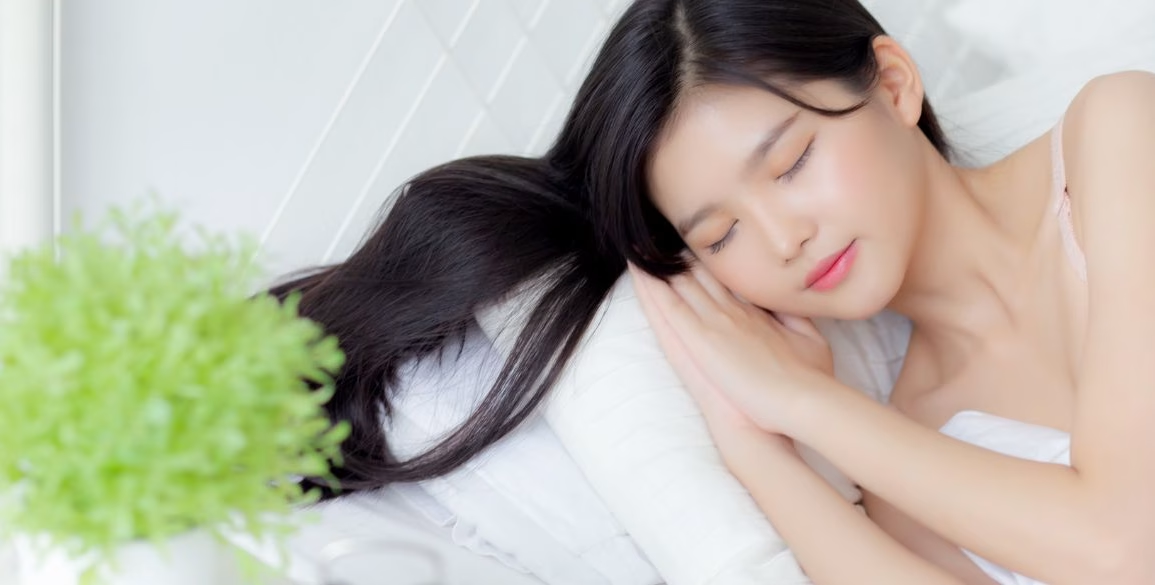

It is one of those small beauty habits we rarely think about.
After a long day, most of us simply wash up, get into bed and leave our hair however it feels most comfortable. But the way you sleep with your hair can affect how it looks and feels the next morning.
So, should you sleep with your hair tied or loose?
The simple answer is: it depends on your hair length, texture and how tightly you tie it.
If You Have Short Hair
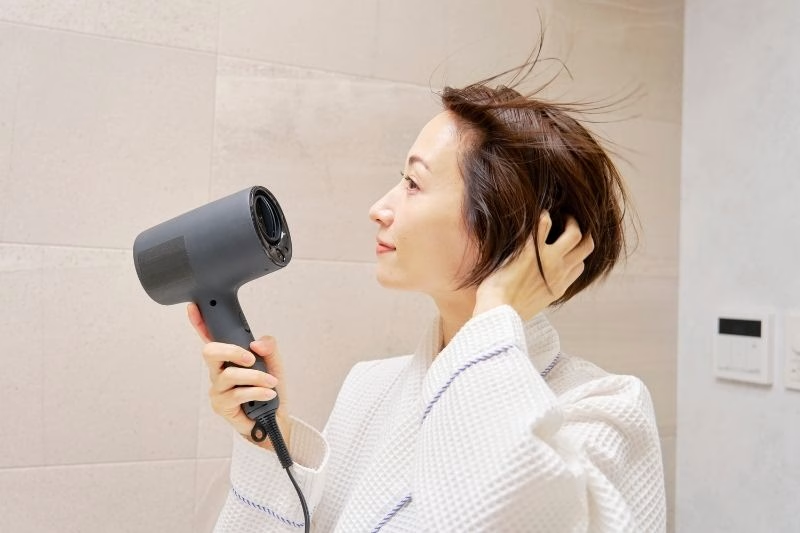
If your hair is short, leaving it loose is usually the better option.
There is no need to force it into a small ponytail or bun, especially if it pulls at the scalp or feels uncomfortable when you lie down.
For short hair, comfort matters most. You can simply brush it gently before bed and let it rest naturally.
If You Have Medium To Long Hair
For medium to long hair, tying it loosely can help reduce tangles while you sleep.
A loose braid, low ponytail or soft bun can keep the hair in place without creating too much tension.
This is especially helpful if your hair tends to get knotted overnight or trapped under your shoulders.
The important thing is to keep it relaxed.
Avoid Tight Hairstyles Before Bed
A tight ponytail or bun may look neat, but it is not ideal for sleeping.
When hair is pulled too tightly for hours, it can create tension at the roots. It may also leave dents, bends or a flat shape by morning.
If you prefer tying your hair, use a soft scrunchie instead of a tight elastic band. Satin or silk-like scrunchies are gentler and less likely to leave marks.
But…..sleeping with your hair loose is perfectly fine too.
If this feels more comfortable, gently sweep your hair above your pillow before sleeping. This helps stop it from getting trapped under your neck or shoulders.
A satin or silk pillowcase can also help reduce friction, which may mean fewer tangles and less frizz the next morning.
It is one of those small beauty habits we rarely think about.
After a long day, most of us simply wash up, get into bed and leave our hair however it feels most comfortable. But the way you sleep with your hair can affect how it looks and feels the next morning.
So, should you sleep with your hair tied or loose?
The simple answer is: it depends on your hair length, texture and how tightly you tie it.
If You Have Short Hair
If your hair is short, leaving it loose is usually the better option.
There is no need to force it into a small ponytail or bun, especially if it pulls at the scalp or feels uncomfortable when you lie down.
For short hair, comfort matters most. You can simply brush it gently before bed and let it rest naturally.
If You Have Medium To Long Hair
For medium to long hair, tying it loosely can help reduce tangles while you sleep.
A loose braid, low ponytail or soft bun can keep the hair in place without creating too much tension. This is especially helpful if your hair tends to get knotted overnight or trapped under your shoulders.
The important thing is to keep it relaxed.
When hair is pulled too tightly for hours, it can create tension at the roots. It may also leave dents, bends or a flat shape by morning.
If you prefer tying your hair, use a soft scrunchie instead of a tight elastic band. Satin or silk-like scrunchies are gentler and less likely to leave marks.
But, of course.. it’s not a one size fits all because sleeping with your hair loose is perfectly fine too.
If this feels more comfortable, gently sweep your hair above your pillow before sleeping. This helps stop it from getting trapped under your neck or shoulders.
A satin or silk pillowcase can also help reduce friction, which may mean fewer tangles and less frizz the next morning.
Disclaimer: The information in this article is intended for general reading and awareness only. It does not replace advice from qualified medical, legal, financial, religious or other relevant professionals. If you are facing a specific concern, please speak to the appropriate expert or authority for guidance.
What matters most is that your hair feels comfortable, your scalp is not being pulled, and you wake up with less tangles to deal with in the morning.