




PMOS does not develop because a woman ate the wrong food, gained weight or failed to exercise enough.
The exact cause of polyendocrine metabolic ovarian syndrome, formerly known as PCOS, is still not fully understood. Researchers believe it develops through a combination of hormonal, metabolic, genetic and environmental factors.
These factors can affect the way the ovaries function, how the body responds to insulin and whether ovulation happens regularly. For some women, the condition may become noticeable during puberty. Others may only discover it later when investigating irregular periods, skin changes or difficulty becoming pregnant.
Understanding what causes PMOS can make the condition feel less confusing. It can also help women recognise that it is a genuine medical condition rather than something they brought upon themselves.
What Causes PMOS?

There is no single confirmed cause of PMOS.
Instead, several processes in the body appear to influence one another.
These commonly include:
- Higher levels or increased activity of androgen hormones.
- Insulin resistance and higher insulin levels.
- Irregular communication between the brain and ovaries.
- Genetic or family-related factors.
- Environmental and lifestyle influences.
Not every woman with PMOS will have all these factors. The condition can develop and present differently from one person to another.
Hormonal Imbalances and PMOS
Hormones are chemical messengers that help regulate many functions in the body, including the menstrual cycle, ovulation, metabolism, skin and hair growth.
Women naturally produce androgens, including testosterone. However, many women with PMOS have higher androgen levels or experience stronger effects from these hormones.
Higher androgen activity can interfere with the development and release of an egg from the ovary. When ovulation does not happen regularly, periods may become irregular, infrequent or absent.
It may also contribute to symptoms such as:
- Acne.
- Excess facial or body hair.
- Hair thinning on the scalp.
- Irregular periods.
- Difficulty becoming pregnant.
Hormonal changes are therefore an important part of PMOS, but they are not always the original starting point. Insulin resistance may also encourage the ovaries to produce more androgens, creating a cycle that further disrupts ovulation.
What Is Insulin Resistance?
Insulin is a hormone produced by the pancreas. Its job is to help glucose move from the bloodstream into the body’s cells, where it can be used for energy.
Insulin resistance happens when the body’s cells do not respond to insulin as effectively as they should. The pancreas may then produce more insulin to keep blood glucose levels under control.
These higher insulin levels can affect the ovaries and encourage them to produce more androgens. This may make ovulation less regular and worsen other PMOS symptoms.
Insulin resistance can occur in women of different body sizes. It is not limited to women who are overweight, and someone can have PMOS without appearing to have any visible metabolic symptoms.
Over time, insulin resistance may also increase the risk of conditions such as prediabetes, type 2 diabetes and high cholesterol. This is one reason PMOS care may include monitoring blood sugar, blood pressure and other areas of metabolic health.
Does Weight Cause PMOS?
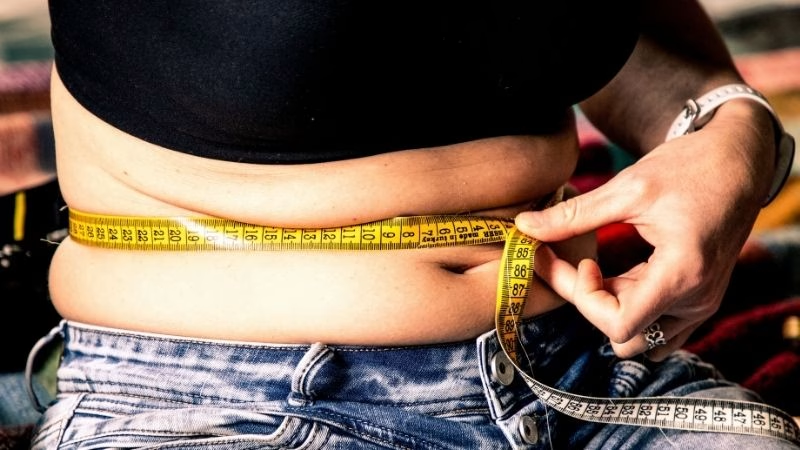
Weight alone does not cause PMOS.
Some women with PMOS gain weight more easily or find it difficult to lose weight, particularly when insulin resistance is involved. At the same time, carrying excess body fat may increase insulin levels and make some hormonal or metabolic symptoms more noticeable.
This can create a difficult cycle.
Higher insulin levels may contribute to weight gain, while weight gain may further increase insulin resistance and worsen certain PMOS symptoms.
However, this does not mean weight is the underlying cause for every woman. PMOS also affects women who are within a lower or medically defined healthy weight range.
Women should not be dismissed or told that losing weight is the only answer. PMOS requires individual assessment because its hormonal and metabolic effects can vary considerably.
Does PMOS Run in Families?
PMOS often appears in families, suggesting that genetics may play a role.
A woman may be more likely to develop the condition if her mother, sister or another close relative has PMOS. A family history of insulin resistance or type 2 diabetes may also be relevant.
However, there is no single PMOS gene that determines whether someone will develop the condition and having a family history does not guarantee that a woman will develop PMOS. It simply means her likelihood may be higher.
How the Brain and Ovaries May Be Involved

The menstrual cycle is controlled through communication between the brain, pituitary gland and ovaries.
The brain releases signals that tell the pituitary gland to produce hormones such as luteinising hormone and follicle-stimulating hormone. These hormones help ovarian follicles develop and support ovulation.
In PMOS, this communication may become disrupted. Some women may produce luteinising hormone more frequently or in different proportions, which may encourage the ovaries to produce more androgens.
As a result, follicles may begin developing but fail to reach the stage where an egg is released. These immature follicles may then appear on an ultrasound, although their presence is not required in every PMOS diagnosis.
Can Lifestyle Cause PMOS?

Factors that may affect metabolic and hormonal health include:
- Limited physical activity.
- Poor sleep.
- Long-term stress.
- A diet that regularly causes sharp blood sugar changes.
- Smoking.
- Weight gain, particularly around the abdomen.
These factors can affect insulin sensitivity, inflammation and overall metabolic health. They may make existing PMOS symptoms harder to manage, but they should not be treated as proof that a woman caused her condition.
Lifestyle changes are commonly included in PMOS management because they may improve insulin sensitivity, menstrual regularity and general wellbeing. They are a form of treatment and support, not punishment or blame.
Does Stress Cause PMOS?
Stress has not been proven to be a direct cause of PMOS.
However, ongoing stress can affect sleep, appetite, blood sugar regulation and certain hormones. It may also make symptoms such as fatigue, cravings, mood changes and irregular periods more difficult to manage.
Living with unexplained symptoms can itself be stressful. Women may worry about their appearance, menstrual cycle, fertility or future health, particularly when it takes a long time to receive a diagnosis.
Managing stress may support overall health, but women should not be told that PMOS exists simply because they are “too stressed”.
Can You Prevent PMOS?
There is currently no proven way to completely prevent PMOS, especially when genetic and hormonal factors are involved.
However, identifying the condition early may help women manage symptoms and reduce certain long-term health risks.

Regular movement, adequate sleep, balanced meals and medical monitoring may support insulin sensitivity and metabolic health.
Depending on the woman’s symptoms and goals, treatment may also include medication to regulate periods, manage insulin resistance, reduce androgen-related symptoms or support fertility.
Disclaimer: The information in this article is intended for general reading and awareness only. It does not replace advice from qualified medical, legal, financial, religious or other relevant professionals. If you are facing a specific concern, please speak to the appropriate expert or authority for guidance.