


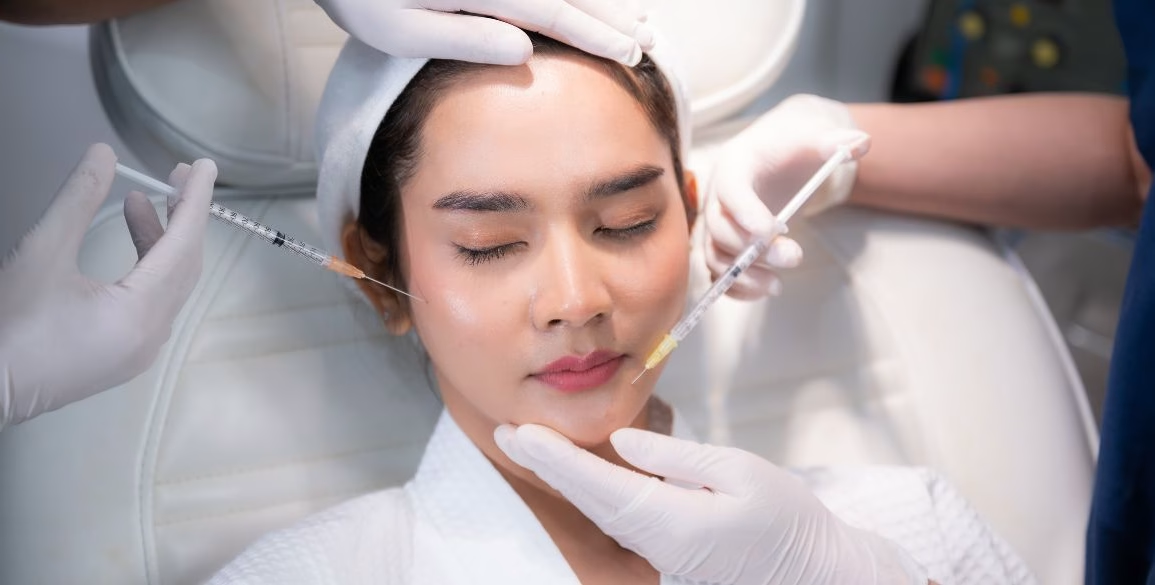

Botox has become so common that it can sometimes feel as routine as getting a facial.
You see it on TikTok, hear celebrities speak openly about it and may even know someone who gets it every few months. For some women, it is about softening forehead lines. For others, it may be a way to slim the appearance of the jaw or look a little less tired.
But Botox is still a medical procedure. It involves injecting a prescription product into facial muscles, and the results depend heavily on who is doing it, how much is used and where it is placed.
So before booking an appointment, it is worth knowing exactly what you are signing up for.
What Exactly Is Botox?
Botox is one brand of botulinum toxin type A, a substance that temporarily reduces movement in selected muscles.
When injected into the face, it blocks the signals that tell certain muscles to contract. As those muscles relax, lines caused by repeated expressions may begin to look softer.
This is why Botox is commonly used for forehead lines, frown lines between the eyebrows and crow’s feet around the eyes.
It may also be used on other areas, including the jaw, chin, neck and around the mouth, depending on the concern being treated. Some of these uses may be considered off-label, which simply means they are not part of the product’s officially approved cosmetic uses.
Botulinum toxin is also used for medical reasons, including chronic migraine, excessive sweating and certain muscle conditions.
So, are botox and fillers the same thing?
Botox and fillers are used to achieve two very different things.
Botox reduces muscle movement. Fillers add volume.
Someone may use Botox to soften frown lines, while filler may be used to add shape to the lips, define the chin or replace volume that has been lost with age.
Botox will not plump the skin or fill a deep hollow. In the same way, filler will not stop a forehead muscle from moving.
What Kind of Wrinkles Does Botox Help With?
Botox tends to work best on lines caused by facial movement.
These are known as dynamic lines. They appear when you smile, frown, squint or raise your eyebrows.
Static lines are different. These remain visible even when the face is relaxed. Botox may soften them, especially if muscle movement has contributed to their development, but it may not remove them completely.
Sun exposure, skin ageing and loss of facial volume can also make lines more noticeable.
Will It Make Your Face Look Frozen?
That stiff or overly smooth look usually happens when too much product is used, the wrong area is treated or the injections are not placed carefully.
A more natural result usually means softening movement without removing it completely.
You should still be able to smile, react and look like yourself. The goal is often to look fresher rather than noticeably “done”.
That said, Botox does change the way certain muscles move and there is no honest way to promise that your expressions will remain exactly the same.
When Will You See the Result?
Botox does not usually work straight away.
You may begin to notice a difference after a few days, while the full result can take around one to two weeks to settle.
Results often last between three and four months, although this varies from person to person. Some people notice movement returning earlier, while others may find that the effects last longer.
Once it wears off, the muscles gradually begin moving again and the original lines slowly return.
Your face will not suddenly sag or become worse overnight. It will simply move back towards how it looked before treatment.
It is also worth remembering that Botox is not a one-time expense. Maintaining the result usually means returning for repeat appointments.
What Is Preventative Botox?

Preventative Botox usually refers to getting treatment before expression lines become deeply set.
The idea is that reducing repeated muscle movement may slow down the development of certain wrinkles.
However, there is no fixed age at which anyone needs Botox.
Some women have strong forehead lines in their twenties. Others may not notice them until much later. Starting early is not automatically better, and you do not need to get injections simply because people around you are doing it.
Your face, your preferences and your budget should guide the decision.
Are There Side Effects?
Most side effects are mild and temporary.
You may experience redness, tenderness, swelling, bruising, a headache or a heavy feeling in the treated area.
Some people may also notice temporary unevenness while the Botox begins to take effect.
Less common complications can happen if the product affects a nearby muscle. This may lead to a drooping eyelid or eyebrow, an uneven smile, dry eyes or difficulty making certain facial expressions.
In rare cases, the effects of botulinum toxin may spread beyond the treated area. Seek urgent medical help if you experience difficulty breathing, swallowing or speaking, severe muscle weakness, vision problems or signs of a serious allergic reaction.
Serious complications are uncommon, but that does not mean Botox should be treated as completely risk-free.
Can Botox Be Reversed?
No. Unlike some types of filler, Botox cannot be dissolved.
If you do not like the result, you generally have to wait for the effect to wear off. A doctor may sometimes be able to make small adjustments, but there is no injection that can instantly reverse it.
This is why a conservative approach can be a good idea, especially during your first appointment.
It is easier to add a little more later than to deal with too much product.
Disclaimer: The information in this article is intended for general reading and awareness only. It does not replace advice from qualified medical, legal, financial, religious or other relevant professionals. If you are facing a specific concern, please speak to the appropriate expert or authority for guidance.