


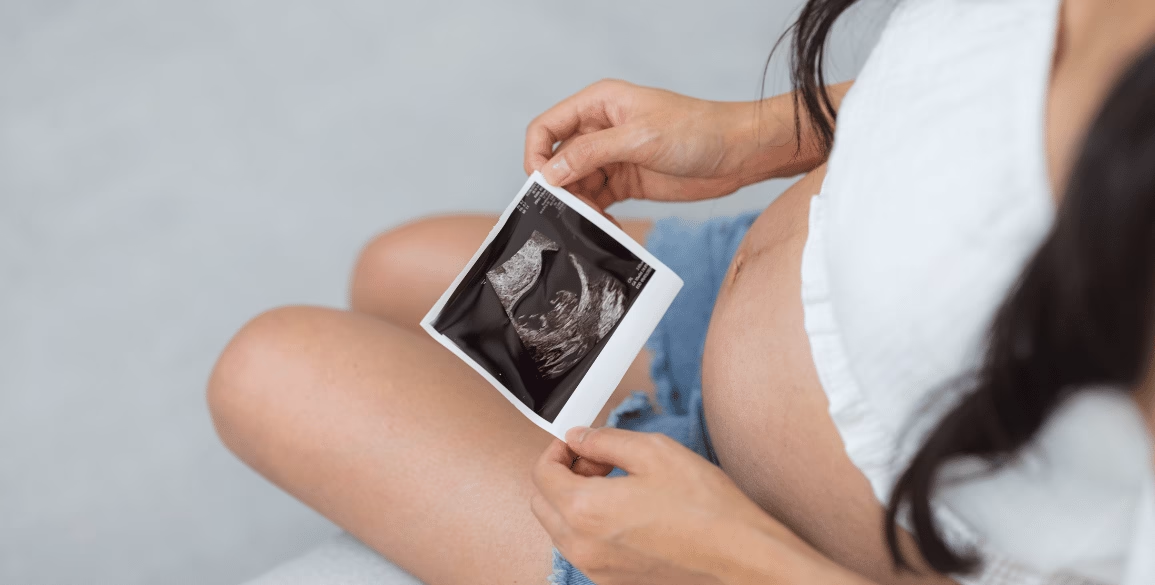

For many women, being diagnosed with PMOS brings relief because it finally explains years of irregular periods, acne or difficulty managing weight. But once the diagnosis sinks in, another question often follows:
Will I still be able to get pregnant?
It’s a worry that’s completely understandable, but it’s also one that deserves reassurance. While PMOS is one of the most common causes of ovulation-related fertility problems, it does not mean you cannot have children. Many women with PMOS conceive naturally, while others may simply need a little extra support along the way.
Why Does PMOS Make It Harder To Conceive?

The biggest challenge isn’t PMOS itself but it’s the way the condition affects ovulation.
Each month, the body normally matures and releases an egg, creating the opportunity for pregnancy. With PMOS, hormonal imbalances can interrupt this process, causing ovulation to happen less frequently or become unpredictable. Some women may skip ovulation for several months at a time, while others continue to ovulate occasionally without even realising it.
This is why irregular periods are so common in women with PMOS. A missed or unpredictable period is often a sign that ovulation isn’t happening consistently.
Does An Irregular Period Mean You Can’t Get Pregnant?
Not at all. One of the biggest misconceptions about PMOS is that irregular periods automatically mean infertility. In reality, many women with PMOS still ovulate from time to time, even if their cycles are longer or difficult to predict.
That means pregnancy can still happen naturally.
It also explains why doctors continue to recommend contraception for women with PMOS who are not planning a pregnancy. An irregular cycle should never be mistaken for reliable birth control.
Can Lifestyle Changes Really Make A Difference?
For many women, yes. PMOS is closely linked to insulin resistance, inflammation and hormonal imbalance. Improving these underlying factors can sometimes help the body ovulate more regularly.

That doesn’t mean following a crash diet or spending hours at the gym. Instead, doctors generally recommend building habits that can be maintained long term.
These include:
- Eating a balanced diet rich in whole foods.
- Exercising regularly.
- Maintaining a healthy body weight.
- Sleeping well each night.
- Managing stress where possible.
- Avoiding smoking.
For women who are overweight, even modest weight loss may improve hormone balance and increase the chances of ovulation. However, it’s important to remember that women of all body sizes can have PMOS, and fertility isn’t determined by weight alone.
When Is It Time To Seek Help?
Trying to conceive can be an emotional experience, and it’s easy to wonder whether you should simply keep trying or book an appointment.
As a general guide, women under 35 should speak to a doctor after trying for a year without success, while those aged 35 and above should seek advice after six months.
If you’ve already been diagnosed with PMOS and rarely have periods, there’s no need to wait that long. Seeing your doctor earlier allows them to assess your ovulation, identify any other factors that may be affecting fertility and discuss the options available.
What Happens If You’re Not Ovulating?
The good news is that there are several effective treatments available today.
Your doctor may first recommend lifestyle changes if insulin resistance or excess weight is contributing to irregular ovulation. If that isn’t enough, medication can be prescribed to encourage the ovaries to release an egg.
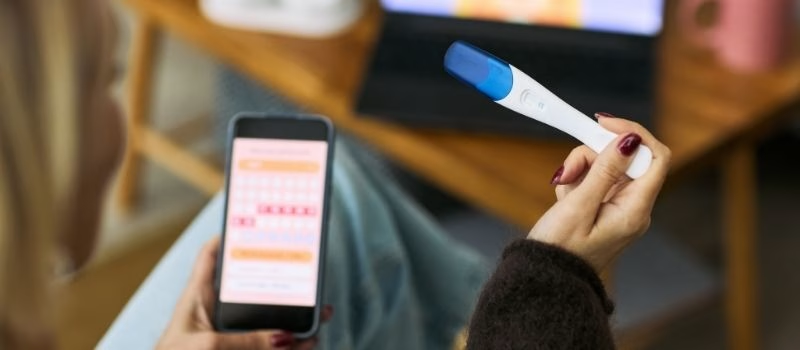
Some women may also benefit from medication that improves insulin sensitivity, while others who continue to have difficulty conceiving may be referred for fertility treatments such as IVF.
The right treatment depends on your age, overall health and individual fertility assessment, which is why personalised medical advice is so important.
What About Pregnancy?
Hearing that PMOS can affect fertility often leads women to worry about pregnancy itself.
While women with PMOS may have a slightly higher risk of complications such as gestational diabetes, pregnancy-related high blood pressure and pre-eclampsia, most go on to have healthy pregnancies with appropriate antenatal care.
Regular check-ups allow your healthcare team to monitor both you and your baby, helping to identify and manage any concerns early.
A PMOS diagnosis may change the path to pregnancy, but it doesn’t close the door.
For some women, conception happens naturally. Others may need medication or fertility treatment before seeing those two lines appear on a pregnancy test. Every journey is different, and comparing yours to someone else’s rarely tells the full story.
If having children is part of your future plans, don’t wait until you’re struggling to seek advice. Understanding your cycle, looking after your health and having an open conversation with your doctor can make all the difference—and for many women with PMOS, that journey ends with exactly the outcome they’ve been hoping for.
Disclaimer: The information in this article is intended for general reading and awareness only. It does not replace advice from qualified medical, legal, financial, religious or other relevant professionals. If you are facing a specific concern, please speak to the appropriate expert or authority for guidance.