


A beautiful outfit can lose its appeal surprisingly quickly.
It might feel perfect in the fitting room, only to become hot, sticky or uncomfortable after an hour outdoors. Sometimes it wrinkles before you’ve even reached the office. Other times, it looks worn after just a few washes.
We often blame the brand or the quality, but the real answer is usually hidden on the care label.
The fabric your clothes are made from has a direct impact on how they feel, how they wear over time and how well they suit Malaysia’s hot and humid climate.
Yet it’s also one of the most overlooked details when shopping.
Learning to read a clothing label doesn’t require any fashion expertise. Once you know what the most common fabrics offer, you’ll find it much easier to decide which pieces are worth bringing home.
Cotton: The Reliable Choice
If you were building a wardrobe from scratch, cotton would probably be where you’d begin.
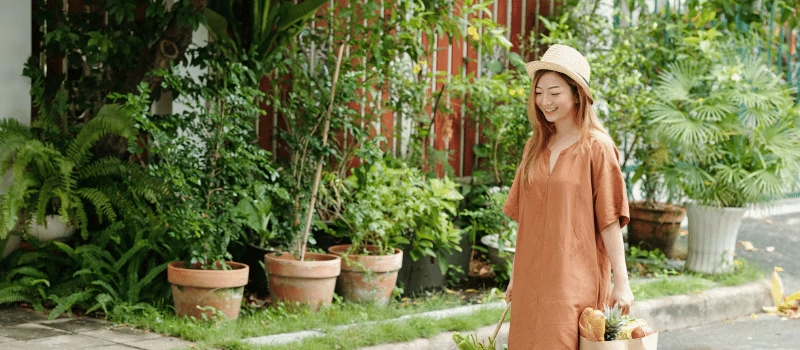
Made from natural fibres, cotton is breathable, soft and highly absorbent, making it one of the most comfortable materials for everyday wear. It allows air to circulate while absorbing perspiration, which is why it remains a favourite in humid weathers.
That doesn’t mean every cotton garment feels the same.
The weave and weight matter just as much as the fibre itself. Lightweight cottons such as voile, lawn and poplin allow better airflow than heavier cotton jerseys or fleece. A thick cotton hoodie may still feel too warm for an afternoon outdoors, while a lightweight cotton shirt can remain comfortable for hours.
For everyday basics such as T-shirts, shirts, dresses and children’s clothing, cotton remains one of the safest choices.
Linen: The Gold Standard for Tropical Weather
When temperatures climb, linen is difficult to beat.
Made from flax fibres, linen is exceptionally breathable and releases moisture quickly, helping heat escape rather than trapping it close to the body. That’s why it’s long been associated with resort wear, summer tailoring and warm-weather dressing.
Its biggest drawback is also its signature characteristic: wrinkles.
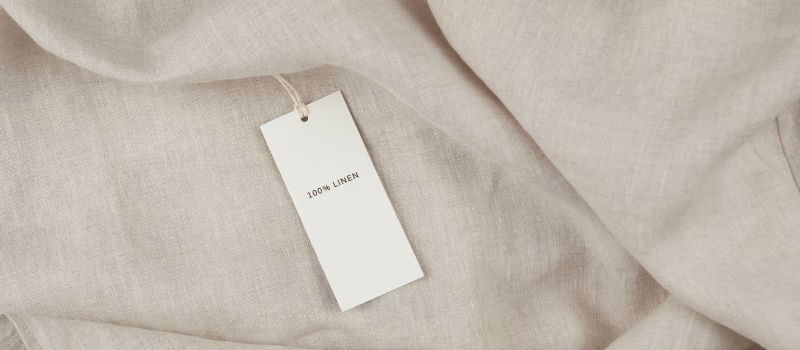
Unlike many fabrics that look untidy when creased, linen has become known for its relaxed, effortless appearance. Today, many brands also offer linen-cotton blends, which reduce wrinkling while maintaining much of linen’s breathability.
If comfort is your priority, linen deserves a place in any Malaysian wardrobe.
TENCEL™ Lyocell and Modal: The New Generation of Comfort
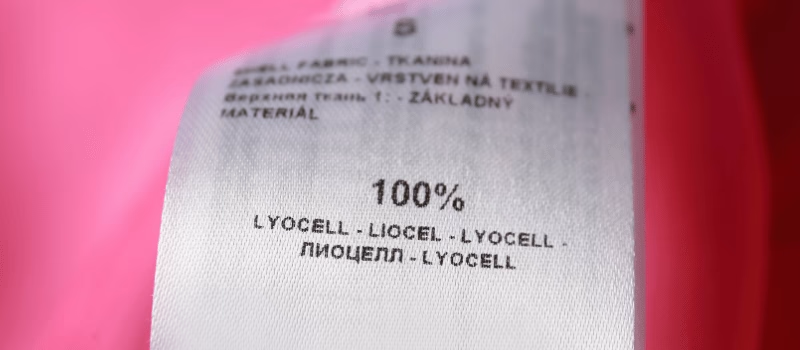
Over the past few years, clothing labels have increasingly featured names such as TENCEL™ Lyocell and Modal.
Both belong to a family of regenerated cellulose fibres made from wood pulp. They’re prized for their exceptionally soft texture, fluid drape and ability to manage moisture more effectively than many conventional fabrics.
Many premium brands use these materials because they combine comfort with durability. They tend to remain smooth after repeated washing and feel cool against the skin, making them particularly appealing for office wear, dresses and elevated everyday basics.
Although they usually cost more than cotton, many shoppers find they quickly become the pieces they reach for most often.
At the end of the day, one of the biggest misconceptions about clothing is that the fibre alone determines comfort.
In reality, several factors work together. For instance, a loose-fitting linen shirt will usually feel cooler than a fitted one.
A lightweight cotton poplin blouse will feel very different from a heavy cotton sweatshirt.
That’s why two dresses made from “cotton” can perform completely differently.
So, what should you wear…
For everyday wear in Malaysia, breathable natural fibres remain the easiest place to start. Cotton offers dependable comfort, linen provides exceptional airflow, while TENCEL™ Lyocell and Modal deliver a softer, more premium feel.
If you’re buying sportswear or travel clothing, don’t rule out polyester entirely. Technical synthetic fabrics are designed for movement and moisture management, making them more suitable than cotton in certain situations.
Most importantly, don’t let the price tag be your only guide.
Disclaimer: The information in this article is intended for general reading and awareness only. It does not replace advice from qualified medical, legal, financial, religious or other relevant professionals. If you are facing a specific concern, please speak to the appropriate expert or authority for guidance.