


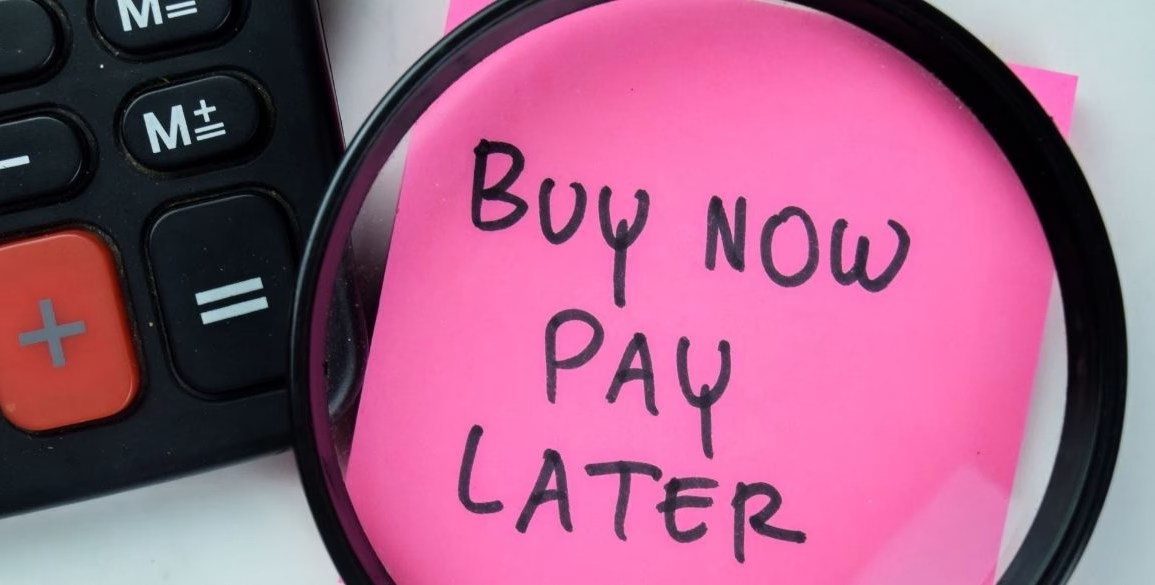

You’re at the checkout, and there it is: split this into a few easy payments.
That’s the appeal of Buy Now, Pay Later (BNPL). It gives you the flexibility to get what you need (or want) now and spread the cost over time.
But while BNPL can be useful, those small instalments can also add up surprisingly quickly. So before you tap “pay later”, here’s what you should know.
How Does BNPL Work?
BNPL is a form of short-term credit that lets you buy something today and split the cost into several instalments.
Providers such as Atome, Grab PayLater and SPayLater offer different repayment plans, depending on the purchase and platform.

If you choose an interest-free plan and make every payment on time, BNPL can be a relatively low-cost way to spread out a purchase.
The important thing to remember? You’re still spending money….
Why BNPL Can Be Useful
Used sensibly, BNPL has some genuine advantages.
It can help with cash flow, particularly for a larger planned expense. Instead of taking RM600 out of this month’s budget, for example, you may be able to spread it over several payments.
It can also be accessible for people who don’t have a credit card, with applications and approvals generally built straight into the checkout process.
And when there’s genuinely no interest or additional charge, paying in instalments can offer useful flexibility.
But there’s a big difference between spreading out a purchase you can afford and using BNPL to afford something you otherwise couldn’t.
Where BNPL Can Get Tricky
The biggest risk isn’t necessarily one large purchase. It’s having several small instalments running at once.
RM50 on one app, RM100 on another and RM80 somewhere else may not feel like much individually. Put them together, however, and a chunk of next month’s salary may already be spoken for.
There’s also the risk of late fees or other charges, depending on your provider and plan. Always check the repayment terms before confirming a purchase.
And then there’s the temptation to spend more.
RM900 can feel very different from RM150 x 6, even though you’re paying exactly the same amount.
That smaller number can make it much easier to justify something you hadn’t planned to buy.
Does BNPL Affect Your Credit Record?
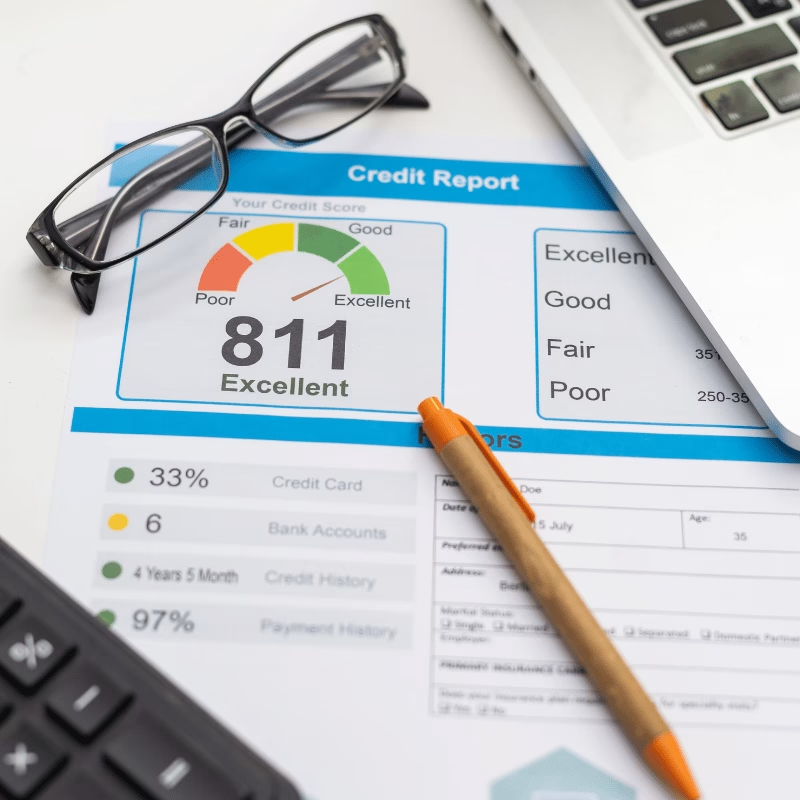
BNPL is now formally regulated as consumer credit in Malaysia under the Consumer Credit Act 2025.
However, this doesn’t mean every BNPL purchase from every non-bank provider automatically appears in CCRIS in the same way as a conventional bank loan or credit card.
How BNPL affects your wider credit profile can depend on the provider and how the facility is reported.
The safest approach is to treat BNPL like any other financial commitment: if you’ve agreed to repay it, make sure you can pay it on time.
What Has Changed for BNPL in Malaysia?
Malaysia introduced new rules for BNPL and other consumer credit providers under the Consumer Credit Act 2025, which came into force on 1 March 2026.
Licensing requirements for BNPL providers took effect from 1 June 2026, with existing operators given a transition period to apply under the Consumer Credit Commission (SKP).
The rules also introduce affordability protections. BNPL providers are required to conduct affordability assessments for credit limits above RM1,000 per consumer.
It’s an important extra layer of protection, but remember: being approved for a certain amount doesn’t mean you should spend it.
So, Is BNPL Worth It?
It can be. For something you’d already planned to buy, BNPL can be a convenient way to spread the cost and manage your monthly cash flow.
But when “pay later” becomes the reason you’re buying something in the first place, it may be time to reconsider.
Those instalments may look small at checkout, but they’re still coming out of a future paycheque.
Disclaimer: The information in this article is intended for general reading and awareness only. It does not replace advice from qualified medical, legal, financial, religious or other relevant professionals. If you are facing a specific concern, please speak to the appropriate expert or authority for guidance.