


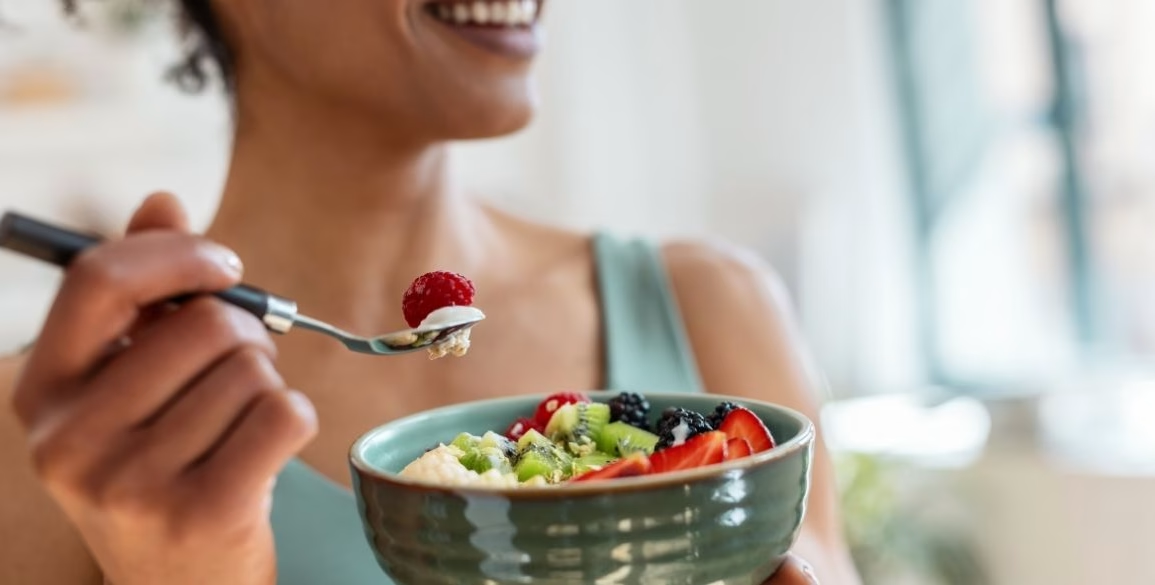

If you’ve just been diagnosed with PMOS (previously known as PCOS), chances are someone has already told you to “fix your diet.”
Maybe a doctor mentioned it in passing, maybe a well-meaning aunty sent you a TikTok, or maybe you’ve fallen down a Google rabbit hole of keto meal plans, carb-free grocery lists and supplements promising to “reverse” your hormones in 30 days.
It’s a lot. And most of it isn’t necessary.
The truth is, eating for PMOS doesn’t require a complete overhaul of how you live. It’s less about chasing a perfect diet and more about understanding what your body needs, and building habits you can actually keep up with.
Why Does Diet Even Matter With PMOS?
Most women with PMOS also deal with some degree of insulin resistance, meaning the body needs to produce more insulin than usual to keep blood sugar levels stable.
Over time, this can worsen hormonal imbalance, making symptoms like irregular periods, acne and weight changes harder to manage.
Food doesn’t cause PMOS, and no single ingredient will cure it either. But what you eat can influence how your blood sugar responds, which in turn can help (or hinder) the way your hormones behave.
That’s really the whole principle behind a PMOS-friendly diet: steadier blood sugar, fewer insulin spikes.
So What Should You Actually Eat?
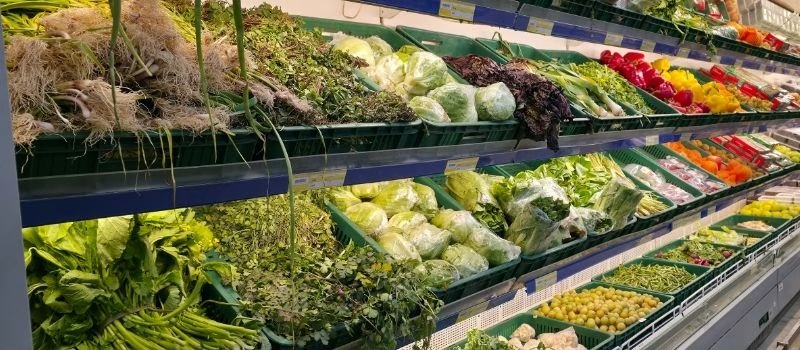
The building blocks are foods most of us already have in the kitchen:
- Vegetables, especially leafy greens, broccoli, peppers and other non-starchy options.
- Whole grains like brown rice, oats and quinoa, instead of their refined counterparts.
- Protein at every meal, whether that’s fish, eggs, beans, tofu or chicken.
- Healthy fats from nuts, seeds, olive oil and avocado.
- Whole fruits, particularly berries, for fibre without the blood sugar spike of juice.
The pattern that comes up again and again in research is something close to a Mediterranean-style way of eating: whole, minimally processed foods, plenty of plants, and fat and protein included rather than avoided.
Do You Need To Cut Out Carbs?

Carbohydrates aren’t the enemy, refined ones just aren’t doing you any favours.
White bread, sugary cereals, pastries and sweetened drinks cause faster blood sugar spikes, which is what you’re trying to avoid. Brown rice, oats and legumes, on the other hand, release energy more slowly.
A simple trick that works without much thought: pair your carbs with protein or fibre. Rice with grilled chicken and vegetables digests very differently to rice on its own.
What About Keto, Intermittent Fasting Or Cutting Dairy?
None of these are necessary, and some may do more harm than good.
- Keto can produce fast results, but it’s restrictive and hard to sustain. Once it stops, so do the results.
- Intermittent fasting isn’t consistently recommended for PMOS either. Going long stretches without food can affect blood sugar and stress hormones in ways that may worsen symptoms rather than help them.
- Dairy doesn’t need to be avoided unless you already know it doesn’t agree with you. There’s no strong evidence that it needs to be eliminated altogether.
If a diet requires you to remove entire food groups indefinitely, think whether it’s actually sustainable, or just restrictive.
What Should You Try To Limit?
Rather than a long list of “forbidden” foods, think of it as reducing at a slow and steady pace:
- Sugary drinks and heavily processed snacks.
- Refined flour products like white bread and pastries.
- Fried foods and processed meats.
- White rice, when it’s the only carbohydrate on the plate.
None of this means never having roti canai again. It means these foods work better as occasional choices rather than daily staples.
Does It Have To Be This Structured Every Single Day?
One imperfect meal, or even a few, won’t undo your progress. What tends to matter more is the overall pattern over weeks and months, not any single dinner.

A few small habits go a long way: eating protein with your carbs, choosing whole grains most of the time, keeping meals relatively regular instead of skipping them, and not treating any one food as off-limits forever.
When Should You See A Dietitian?
If you’re feeling overwhelmed trying to figure this out alone, or if lifestyle changes haven’t made a noticeable difference after a few months, a registered dietitian may be able to curate a plan around your body, symptoms and your lifestyle.
Reference:
- https://www.hopkinsmedicine.org/health/expert-qa/pcos-diet
- https://www.massgeneralbrigham.org/en/health-wellness/nutrition-for-pcos
Disclaimer: The information in this article is intended for general reading and awareness only. It does not replace advice from qualified medical, legal, financial, religious or other relevant professionals. If you are facing a specific concern, please speak to the appropriate expert or authority for guidance.