



If you’re 40 or older and the honest answer is “I can’t remember”, this one is for you. The government has a programme that can cover the cost of your mammogram, and a lot of women don’t know it exists.
First, what is a mammogram?
It’s an X-ray of the breast that can spot early signs of breast cancer, sometimes before you can feel or see anything. Catching it early gives treatment a better chance of working. That’s the whole point.
Are you eligible?
The Mammogram Subsidy Programme, run by LPPKN (the National Population and Family Development Board), is open to women aged 40 to 70. What you pay depends on your household income:
- RM10,000 a month or below: your mammogram is fully subsidised.
- Above RM10,000 a month: you may still get a RM50 subsidy, subject to the programme’s terms.
Women at higher risk of breast cancer are given priority. You’ll be screened at one of 67 LPPKN-accredited panel centres across the country.
How to sign up
- Call or visit your nearest LPPKN Klinik Nur Sejahtera, or register on the eMammogram portal (mamogram.lppkn.gov.my).
- Ask which documents to bring.
- Pick a panel centre and book your appointment.
Requirements can change, so check the latest details with LPPKN before you go.
So, what’s this sudden urgency?

Because most women aren’t getting screened. In the 2023 National Health and Morbidity Survey, only 12.8% of women aged 40 and above had a mammogram in the previous three years. That’s about one in eight, and it’s down from 21% in 2019.
Meanwhile, Malaysia recorded 8,371 new breast cancer cases and 3,526 deaths among women in 2022, according to Global Cancer Observatory data cited by the Women, Family and Community Development Minister.
The programme has been at this since 2007. So far, 595,143 women have been screened through it, and 1,334 breast cancer cases have been confirmed through those screenings (as of 30 September 2026).
Budget 2027 raises the funding to RM9 million, up from RM8 million this year. That’s expected to cover about 38,000 women.
Don’t wait for your appointment to act
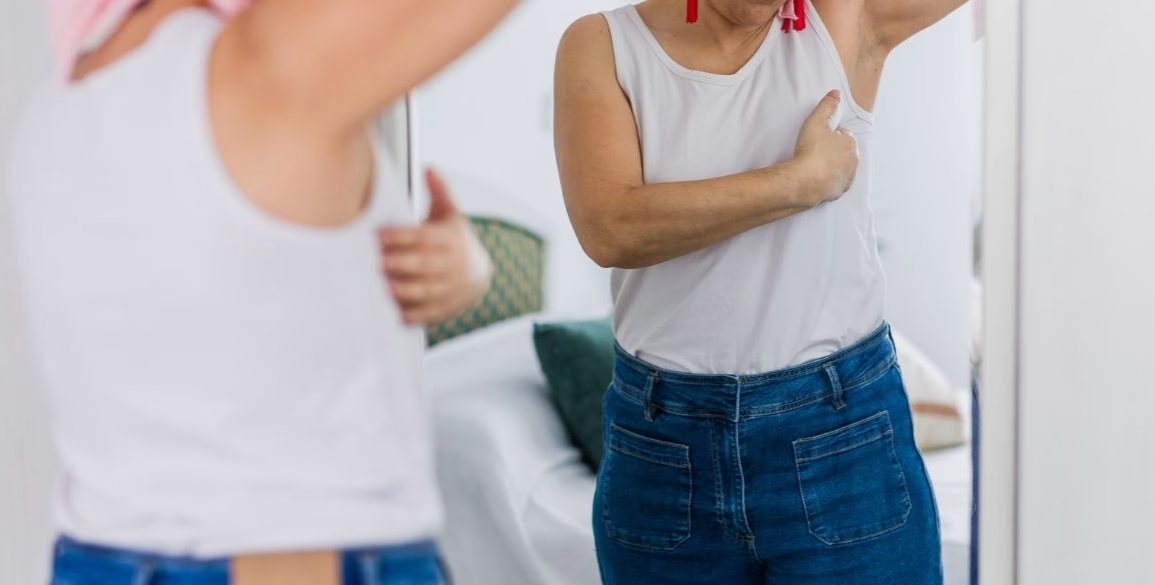
A mammogram is a screening tool. It doesn’t replace knowing your own body. If you notice a new lump, a change in the shape or size of your breast, nipple discharge, or changes to the skin, see a doctor promptly. Not next month. Now.
Also ask a healthcare professional how often you should be screened, based on your age, history and risk factors.
Your next step
If you’re between 40 and 70, take five minutes today to check if you qualify. Then send this to your sisters, aunties, friends and colleagues. Most of us just need someone to nudge us.
Disclaimer: The information in this article is intended for general reading and awareness only. It does not replace advice from qualified medical, legal, financial, religious or other relevant professionals. If you are facing a specific concern, please speak to the appropriate expert or authority for guidance.